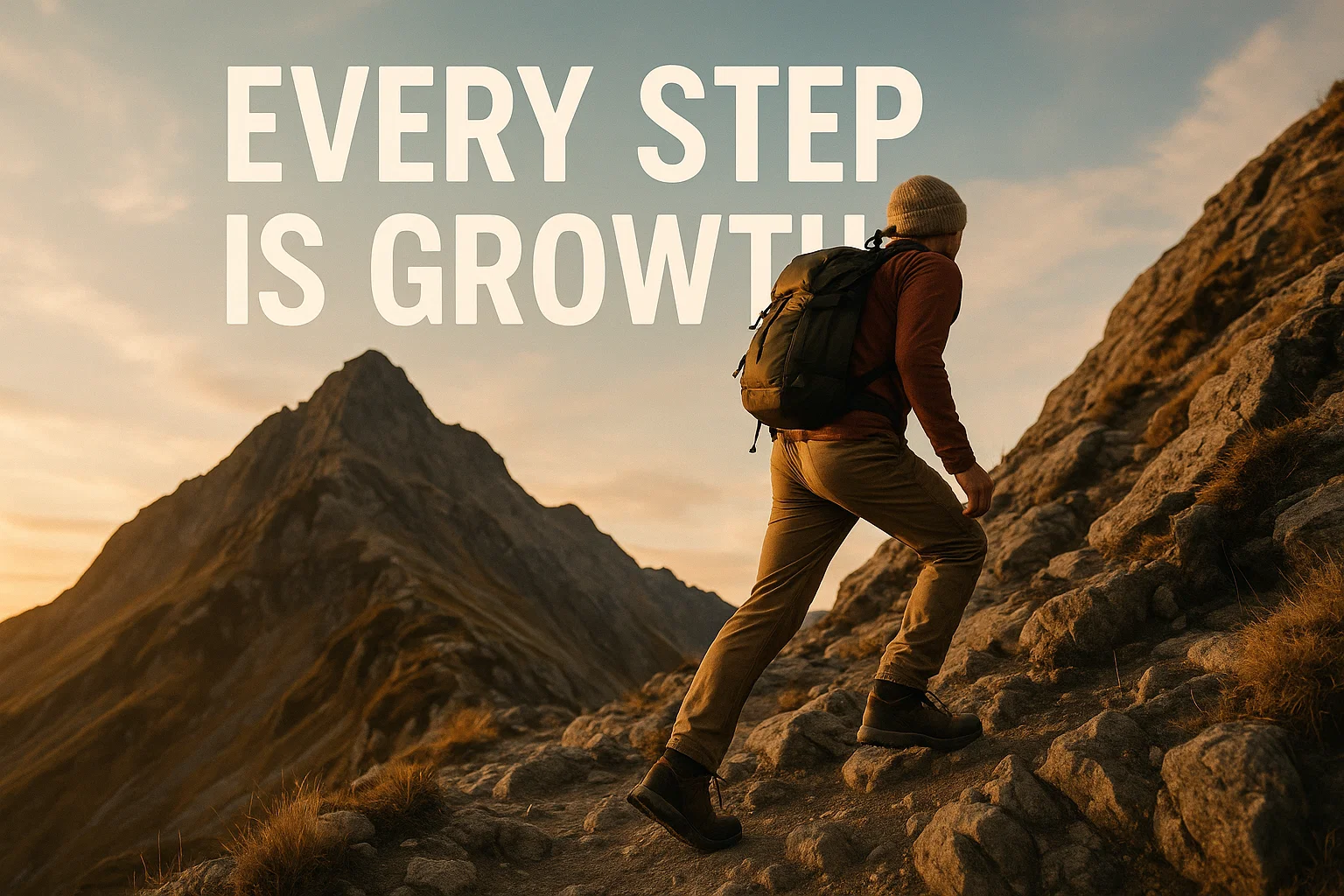
Lasting self-improvement doesn’t come from sheer willpower alone — it begins in the mind. The way you see your abilities, challenges, and setbacks determines whether you stay stuck or rise stronger. This article explores the key difference between a growth mindset and a fixed mindset, and why understanding this shift is the foundation for real, sustainable personal growth.
- Result: By the end, you’ll understand how to cultivate a growth mindset and use it to fuel long-term self-improvement.
- Exclusion: We won’t focus on quick hacks or superficial productivity tricks. This is about deep, lasting transformation.
What Is a Mindset?
A mindset is the lens through which you view yourself and the world. It shapes how you interpret challenges, successes, and failures. Psychologist Carol Dweck introduced the concepts of the growth and fixed mindset, showing how beliefs about intelligence and ability directly impact achievement.
Fixed Mindset: The Silent Roadblock
A fixed mindset is the belief that your talents, intelligence, and potential are static — you either “have it” or you don’t. This way of thinking:
- Avoids challenges out of fear of failure.
- Views effort as pointless (“If I’m not good at it, why try?”).
- Gets defensive in the face of constructive criticism.
- Feels threatened by the success of others.
This mindset creates a ceiling on growth, keeping people stuck in comfort zones and resistant to change.
Growth Mindset: The Foundation of Lasting Self-Improvement
A growth mindset is the belief that abilities can be developed through dedication, practice, and resilience. It thrives on challenges and sees failures as stepping stones. With a growth mindset:
- Effort is fuel for mastery.
- Mistakes are opportunities to learn.
- Criticism is useful feedback.
- The success of others is a source of inspiration, not comparison.
This mindset empowers continuous self-improvement because it frames life as a journey of progress rather than a fixed destination.
Why Mindset Shapes Self-Improvement
Self-improvement isn’t about perfection, but progress. A growth mindset provides:
- Resilience – setbacks become temporary roadblocks, not dead ends.
- Consistency – persistence replaces the “all-or-nothing” mentality.
- Confidence – belief in your ability to grow fuels bold action.
Without this mindset, self-help strategies, books, and habits lose their effectiveness.
Real-Life Examples
- Fixed Mindset in Action: A student avoids advanced math because they believe they’re “just not a numbers person.”
- Growth Mindset in Action: Another student struggles at first, but sees mistakes as feedback, studies harder, and eventually thrives.
The same principle applies in careers, fitness, relationships, and creativity — mindset dictates the trajectory.
How to Cultivate a Growth Mindset
- Reframe failure: Instead of “I failed,” think “I learned.”
- Embrace effort: See effort as the path to strength.
- Seek feedback: Treat constructive criticism as guidance.
- Celebrate small wins: Progress compounds over time.
- Replace “can’t” with “yet”: Add “yet” to limitations — “I can’t do this… yet.”
Common Traps That Reinforce a Fixed Mindset
- Comparing yourself constantly to others.
- Expecting instant results.
- Viewing talent as more important than perseverance.
Awareness is the first step to change. When you catch yourself in these patterns, pause and reframe.
The Long-Term Payoff
A growth mindset doesn’t just lead to skill development — it shapes identity. Over time, it:
- Builds resilience against life’s inevitable challenges.
- Expands confidence in taking risks.
- Creates a compounding effect of progress.
Self-improvement becomes natural because your belief system aligns with growth.
Conclusion
Lasting self-improvement isn’t about finding shortcuts — it’s about rewiring how you think about growth itself. The growth mindset is the most powerful tool you can carry, turning every obstacle into an opportunity and every setback into a stepping stone.
Start today. Choose one area of your life where you’ve been holding a fixed mindset. Reframe it, embrace the process, and watch your growth accelerate.
FAQs
Q1: Can someone have both a fixed and growth mindset?
Yes. Most people fluctuate depending on context. The goal is to expand the areas where a growth mindset dominates.
Q2: How long does it take to develop a growth mindset?
It’s ongoing. Shifts can happen quickly, but maintaining it requires conscious practice.
Q3: Does a growth mindset guarantee success?
Not instantly. It doesn’t remove challenges but equips you with the resilience to keep improving until you succeed.