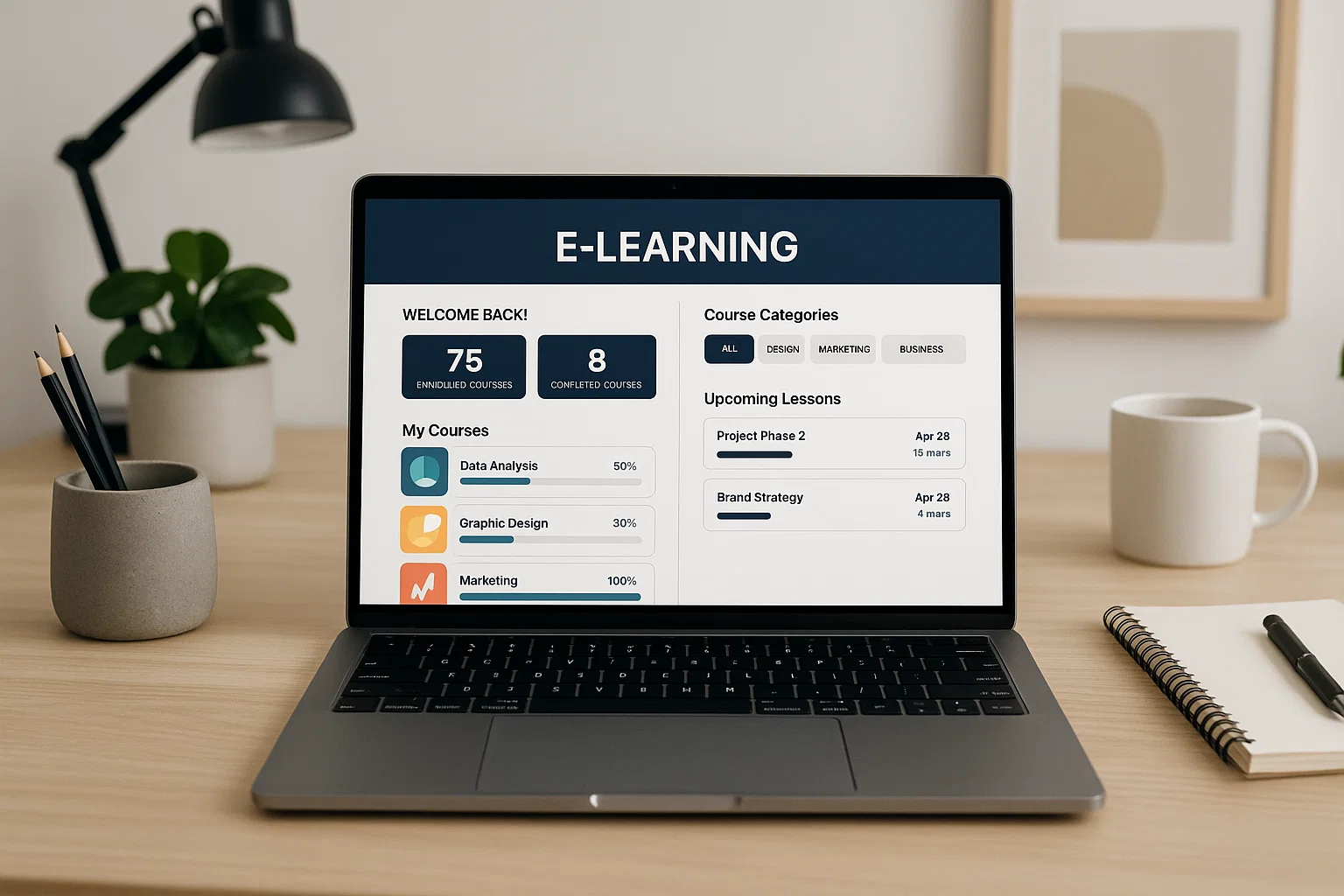
In the past, career advancement meant attending night classes or earning another degree. Now, a world of learning lives behind a login screen. Online course platforms have become the cornerstone of modern career growth, offering flexible, affordable, and personalized ways to acquire new skills.
But with hundreds of options—Coursera, Udemy, LinkedIn Learning, Skillshare, and more—it’s easy to feel overwhelmed. Choosing the best online course platform isn’t about picking the most popular one. It’s about finding the right fit for your professional goals, learning style, and budget.
This guide breaks down how to evaluate e-learning platforms strategically, so you can invest your time and money wisely—and turn learning into lasting career impact.
Define Your Career Goals First
Before exploring platforms, start with purpose. What do you want to achieve?
- Skill upgrade: You may want to master a specific tool like Python or Excel.
- Career change: You might need structured programs with certificates or even degrees.
- Creative development: Maybe you’re exploring design, writing, or other side skills.
Platforms vary in focus—LinkedIn Learning excels in business and management courses, Coursera partners with universities for academic credibility, and Skillshare emphasizes creative, project-based learning. Defining your goal helps narrow your choices immediately.
Evaluate Course Quality and Credibility
A glossy interface means little if the content isn’t high-quality. Consider:
- Instructor credibility: Does the teacher have real-world experience or academic credentials?
- Peer reviews: Look for user feedback on course clarity and usefulness.
- Certification: Will the platform’s certificates be recognized by employers or institutions?
Coursera and edX, for instance, collaborate with accredited universities like Stanford and MIT—ideal if you value formal credentials. Udemy and Skillshare, on the other hand, are open marketplaces with diverse instructors, offering flexibility but requiring more vetting.
Tip: Read course previews and reviews carefully. If a course lacks clear outcomes or structured progression, it may not support measurable career growth.
Look for Career-Relevant Skill Paths
The best platforms don’t just sell courses—they guide you through structured learning paths aligned with career outcomes.
- LinkedIn Learning uses your profile data to recommend skill gaps based on your desired roles.
- Coursera Plus and edX Professional Certificates bundle related courses into comprehensive programs.
- Google Career Certificates offer industry-recognized paths in data analytics, project management, and UX design.
Choose a platform that helps you not only learn but also showcase your skills through certificates, projects, or portfolio work.
Prioritize Flexibility and User Experience
Since many learners juggle jobs, families, and studies, flexibility is key. Look for:
- Mobile access: Can you learn on the go?
- Downloadable materials: Useful for offline study.
- Short lessons or microlearning: Great for fitting study into small daily intervals.
Platforms like Skillshare and MasterClass shine here—they offer short, engaging video lessons perfect for busy professionals.
A platform’s usability can directly affect your motivation. Clunky interfaces or confusing navigation are silent motivation killers.
Compare Costs and Subscription Models
E-learning is generally cheaper than traditional education, but the pricing models vary widely:
- Udemy: Pay per course (often discounted).
- Coursera Plus: Annual subscription for unlimited access.
- LinkedIn Learning: Monthly subscription with free trial.
- edX: Many free courses, but verified certificates cost extra.
Consider how frequently you’ll use the platform. Frequent learners benefit from subscriptions, while occasional learners might prefer one-time purchases.
Pro Tip: Always look for employer or student discounts—many companies sponsor LinkedIn Learning or Coursera access.
Check for Career Support and Networking
Some platforms go beyond teaching—they help you get hired.
- Coursera and edX partner with industry leaders like Google and IBM to offer job-ready certifications.
- LinkedIn Learning integrates directly with your profile, showcasing completed courses to recruiters.
- Udacity offers mentorship and career services in its “Nanodegree” programs.
If your goal is professional advancement, prioritize platforms that offer job connections, resume tools, or real-world projects.
Read the Fine Print: Accessibility and Refunds
Not every course is a perfect match. Before committing, check:
- Trial periods or refund policies (Udemy’s 30-day refund is generous).
- Accessibility features like subtitles and screen reader support.
- Content updates: Tech and business skills evolve quickly; choose platforms that update content regularly.
Balance Practical Skills and Soft Skills
Career success requires more than technical expertise. Platforms that offer both hard and soft skill development stand out.
Consider pairing a technical course (e.g., “Python for Data Science”) with a communication or leadership course. Employers increasingly value emotional intelligence, teamwork, and adaptability alongside technical knowledge.
Conclusion: Learning as a Career Investment
Choosing the best online course platform isn’t just a consumer decision—it’s an investment in your professional future.
Focus on alignment (goals and platform), credibility (quality and certification), and experience (ease and engagement). The ideal platform isn’t the one with the most features, but the one that motivates you to keep learning—and applying what you learn.
“The beautiful thing about learning is that no one can take it away from you.” — B.B. King
Whether you’re advancing your current career or pivoting toward something new, the right learning platform can transform ambition into achievement.
Ready to take the next step? Compare three platforms today—Coursera, LinkedIn Learning, and Udemy—and identify one course that aligns with your 6-month career goal. Start small, stay consistent, and let growth compound.
FAQs
1. What is the best online course platform for beginners?
Coursera and LinkedIn Learning are both excellent for structured, guided learning.
2. Which platform offers free courses?
edX and Coursera both have free audit options, while Udemy often discounts paid courses.
3. Do employers value online certificates?
Yes—especially from platforms partnered with universities or industry leaders (e.g., Google, IBM, Meta).
4. Can online learning replace traditional education?
It depends on your goals. For professional skills and upskilling, online platforms are often more practical and current.