Artificial Intelligence has moved from the realm of futuristic fiction into our daily lives. In 2025, AI tools are no longer optional add-ons—they are the engines driving business efficiency, creativity, and even personal productivity. Yet, the question remains: which tools are hype, and which truly have staying power? This guide explores the AI tools shaping the present and likely to define the future.
The AI Landscape in 2025: Where We Stand
The AI revolution has accelerated at breakneck speed.
According to Gartner, global spending on AI systems is expected to surpass $300 billion in 2025 (source).
From conversational AI like ChatGPT to creative engines like MidJourney, tools have spread across industries and into personal lives. What’s remarkable is not just the innovation, but the adoption: millions of users are experimenting daily, integrating AI into tasks once thought immune to automation.
Productivity: AI Tools for Work & Business
AI has become a co-pilot for work. Microsoft Copilot integrates directly into Word, Excel, and Teams, automating summaries, emails, and data analysis. Notion AI acts as a creative assistant for knowledge management, drafting notes and building workflows. Jasper, a content-generation powerhouse, is embraced by marketers for its speed and accuracy. Together, these tools streamline repetitive tasks, allowing professionals to focus on strategy and innovation.
Practical example: A small business owner can now generate contracts, design social media posts, and analyze customer trends—all in less time than it once took to schedule a meeting.
Creative AI: Tools for Design, Writing & Media
The creative industries have been transformed. MidJourney enables anyone to create high-quality digital art, while Runway pushes boundaries with AI-driven video editing. Canva AI democratizes design, making professional-grade visuals accessible to non-designers. Copy.ai supports writers by generating marketing copy and blog ideas.
Case study: A YouTuber using Runway for quick edits and MidJourney for custom thumbnails saves hours each week, freeing up more time for content creation.
Everyday AI: Tools That Simplify Daily Life
AI has entered homes, schools, and even healthcare. Duolingo Max, powered by GPT-4, delivers personalized language tutoring. Replika provides AI companionship, while Perplexity AI offers trustworthy, conversational search results. Financial planning tools powered by AI help users budget smarter and plan long-term investments.
AI is becoming invisible—embedded seamlessly into apps and platforms. By 2025, most users may not even realize when they’re interacting with AI, because it will simply be part of the experience.
The Future of AI Assistants: Beyond Chatbots
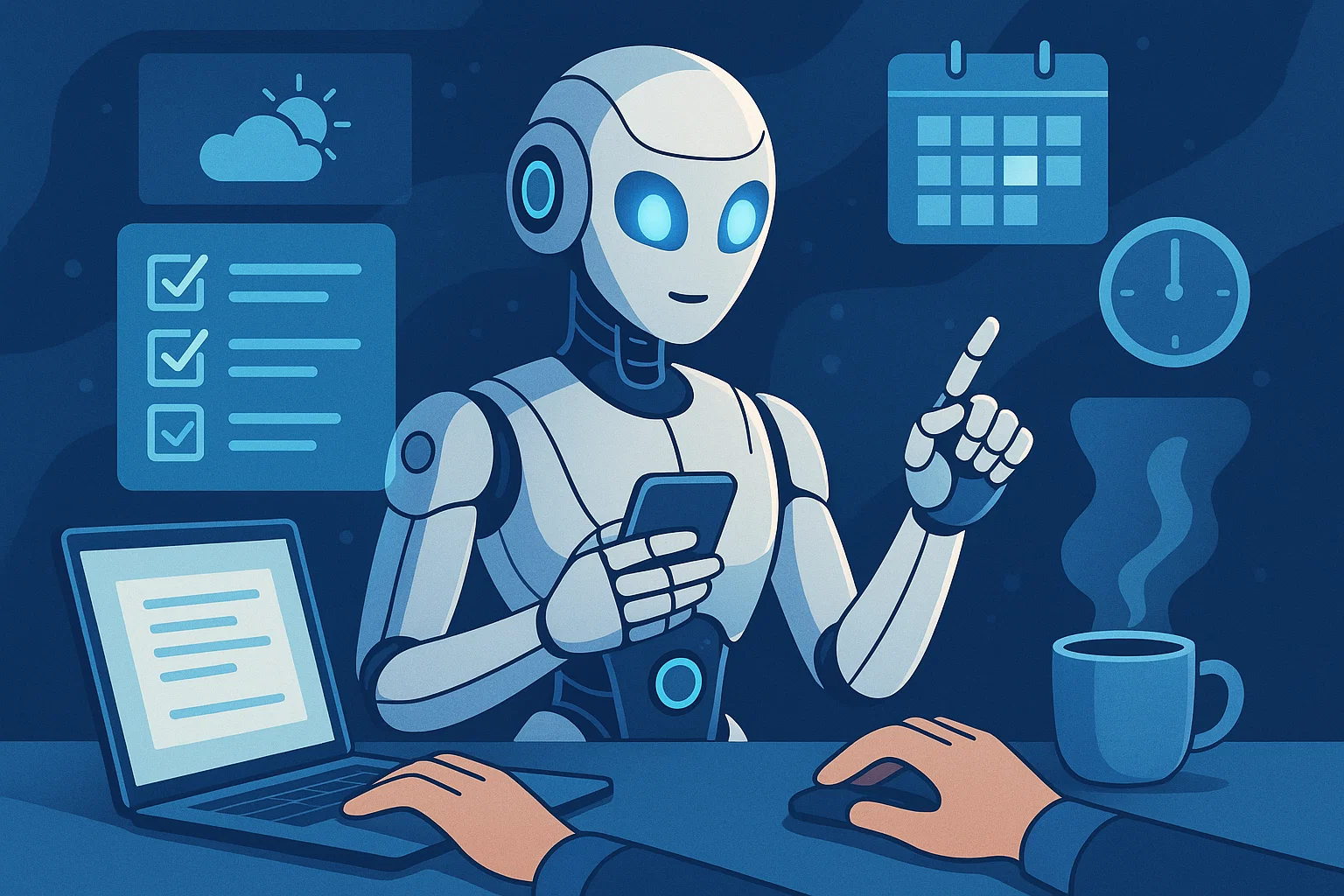
Digital assistants are evolving. They’re moving from reactive chatbots to proactive digital agents that anticipate needs. Imagine an AI that schedules meetings based on your energy levels, manages your smart home, and helps you plan vacations—all without being asked. This integration with smart devices, cars, and everyday tools points toward a future where AI is less about prompts and more about partnership.
Ethics & Challenges: What We Must Watch Out For
The rise of AI comes with challenges. Deepfakes blur the line between truth and fiction, while data privacy concerns loom large. As AI tools become more advanced, transparency and ethical guardrails are critical. Companies leading the way in building trustworthy AI will likely define the next decade. Regulation and user awareness will also play key roles in ensuring AI benefits humanity without compromising trust.
Which Tools Will Still Matter in 2030?
Not all AI tools will survive the hype cycle. The ones with staying power will share three qualities:
- Adaptability: They evolve with user needs.
- Integration: They seamlessly fit into existing platforms.
- User base: They achieve critical mass, making them hard to replace.
Based on these criteria, tools like Microsoft Copilot, MidJourney, and AI-driven assistants embedded in everyday software are strong candidates for long-term relevance.
Conclusion
AI is both exciting and overwhelming. From boosting productivity to redefining creativity and simplifying daily life, the right AI tools have the power to transform how we work and live. The future belongs to tools that combine usefulness, trust, and adaptability.
Ready to explore? Start experimenting with AI tools today—whether for work, study, or play—and be part of shaping the next wave of digital innovation.
FAQs
Q: Which AI tools are best for beginners in 2025?
Beginner-friendly options include Canva AI for design, Duolingo Max for learning, and Perplexity AI for search.
Q: Are AI tools replacing jobs or creating new ones?
AI is shifting jobs rather than eliminating them. Routine tasks are automated, while new opportunities emerge in oversight, creativity, and AI management.
Q: What’s the safest way to use AI tools for business?
Focus on tools with strong privacy policies, transparent data use, and proven track records.